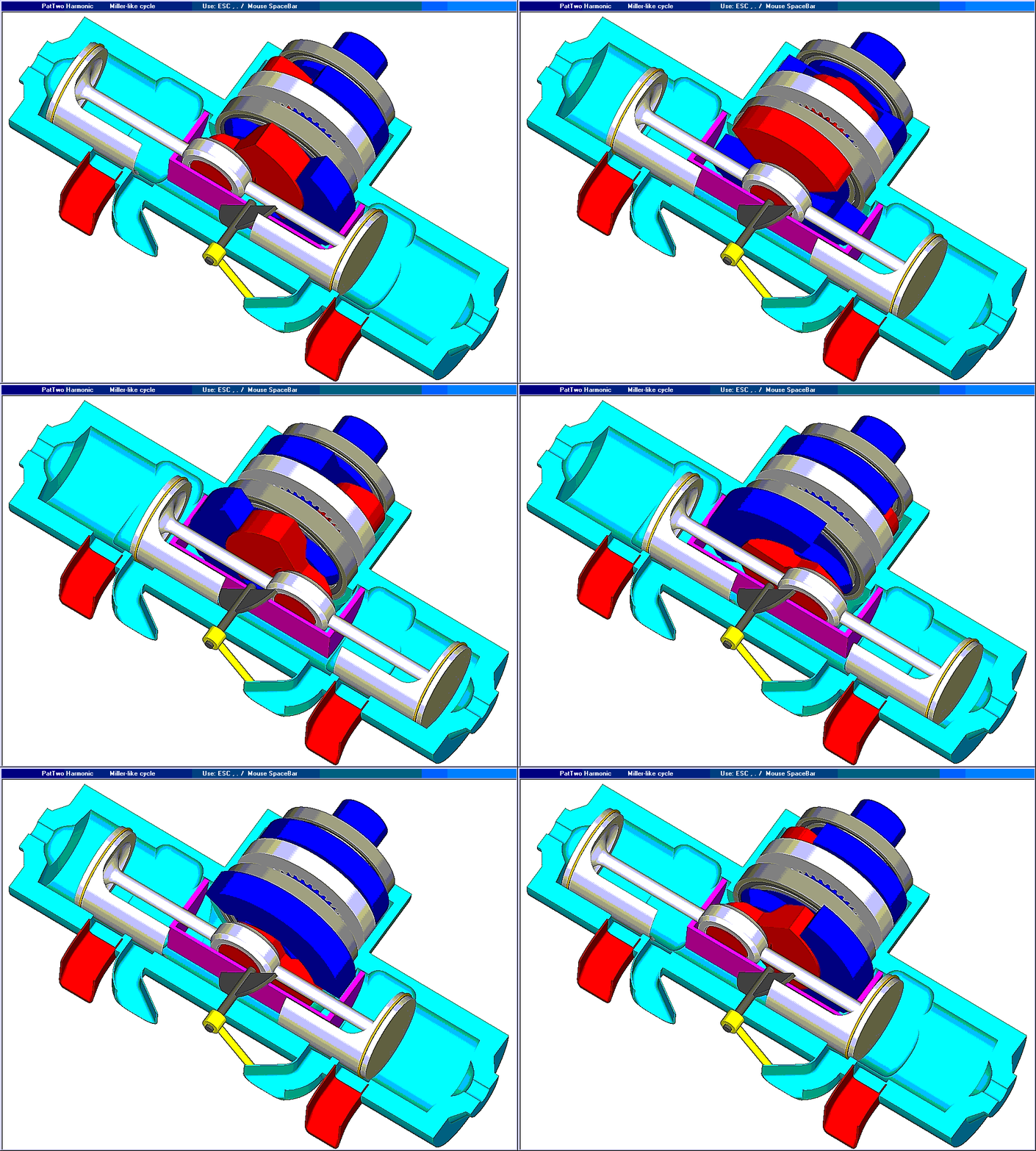
The typical modern Diesels in passenger cars offer their maximum power output at around 4.000 rpm.
Imagine a diesel that can burn efficiently the fuel in one and a half times these revs.
This is one of the things "Pulling Piston Engine" achieves, because the pistons pass from TDC slower, providing additional time and better conditions to the fuel for effective combustion.
In case that two cycle operation is selected for the "Pulling Piston Engine" with the space behind the piston acting as the scavenging pump, the resulting efficiency, cost and power concentration improves.
The Pulling Piston Engine is not restricted to Diesels.
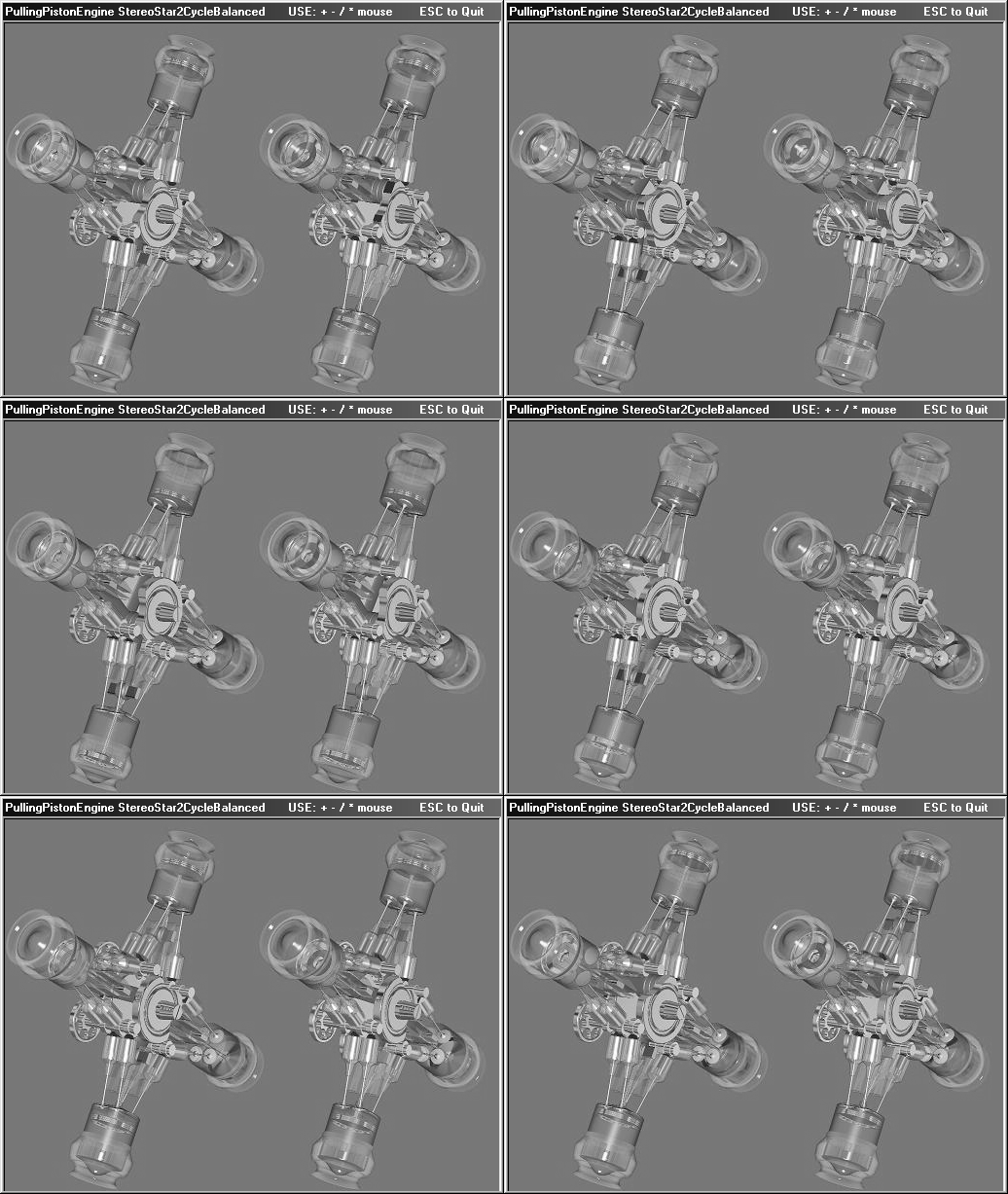
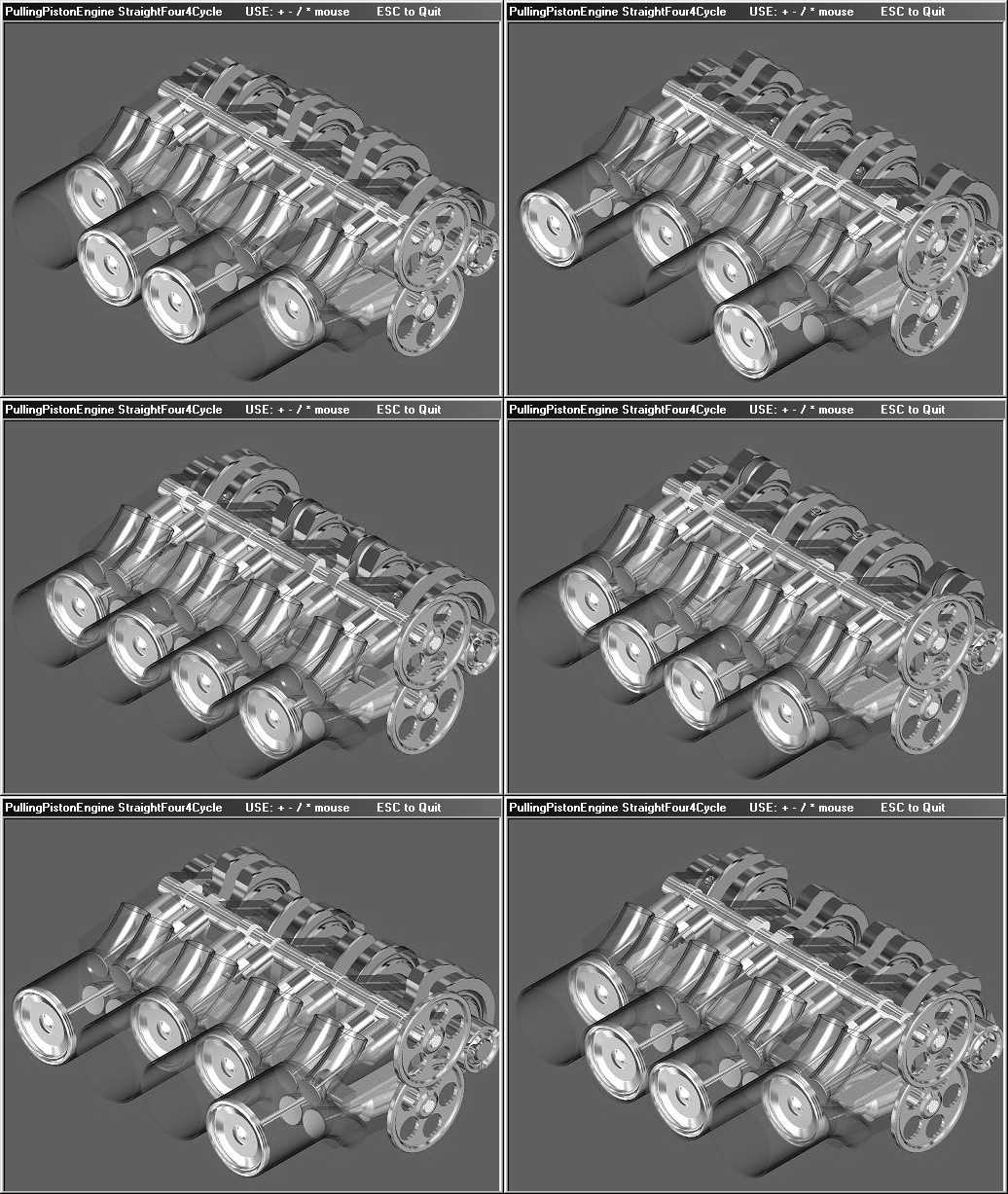
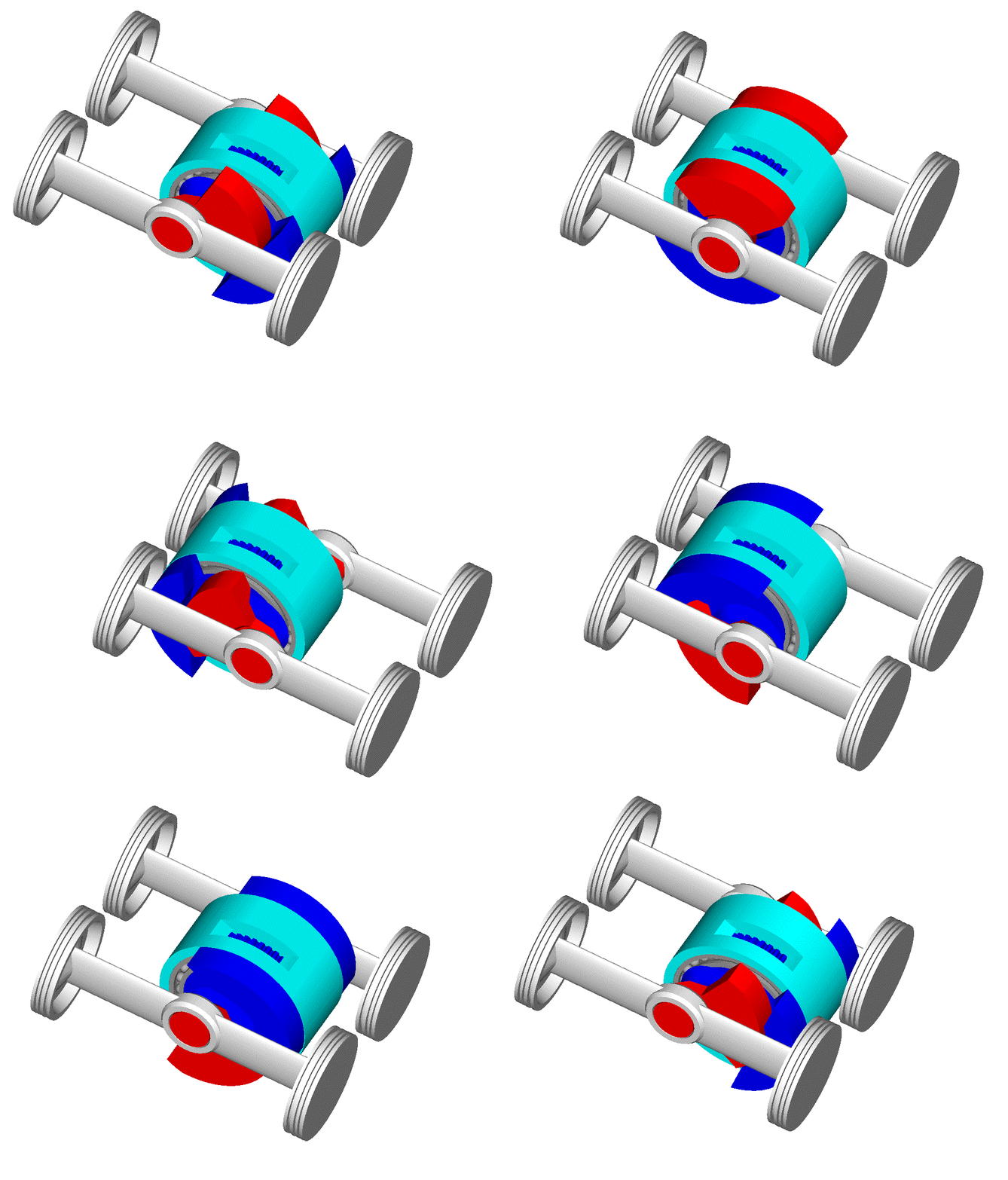
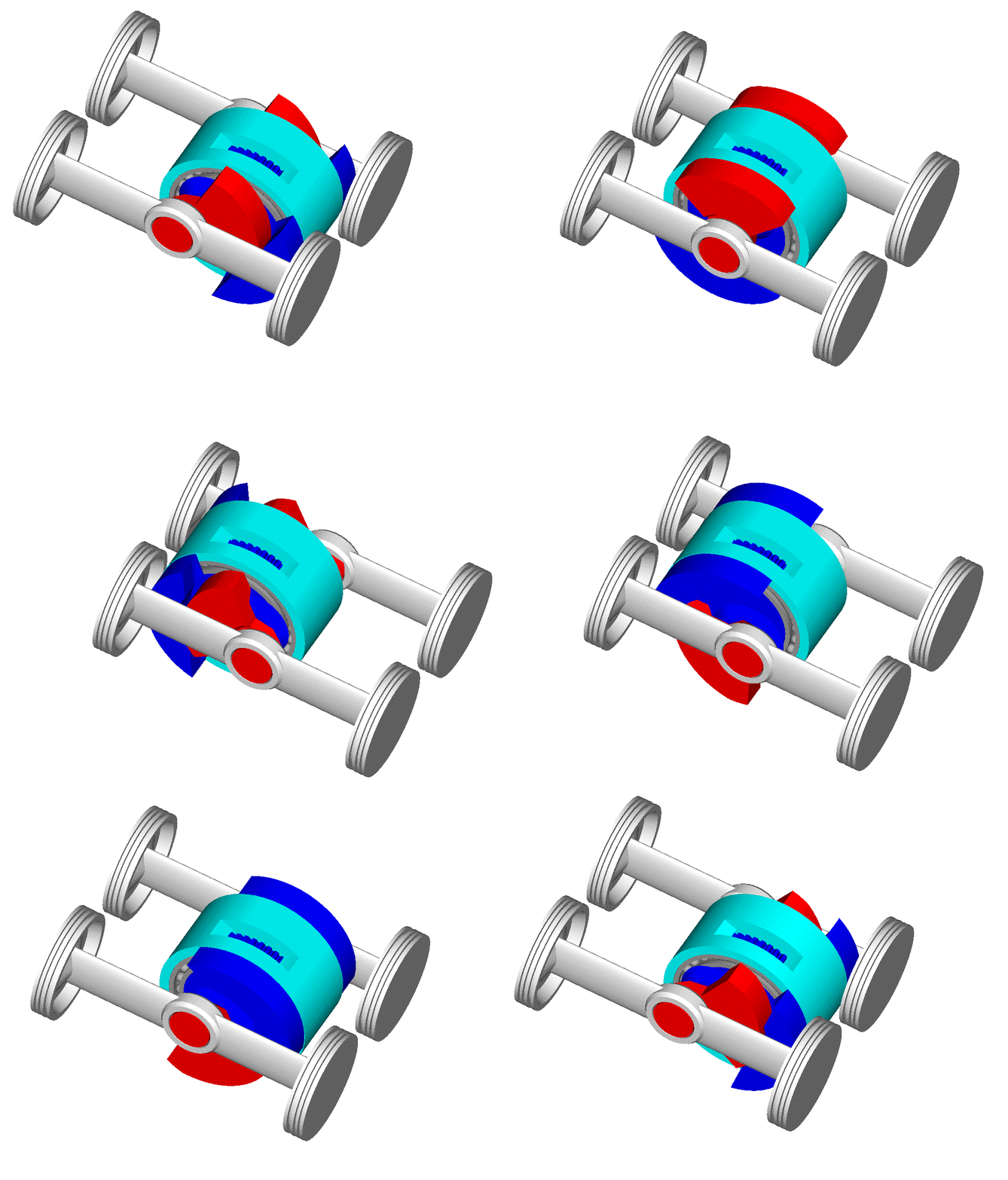
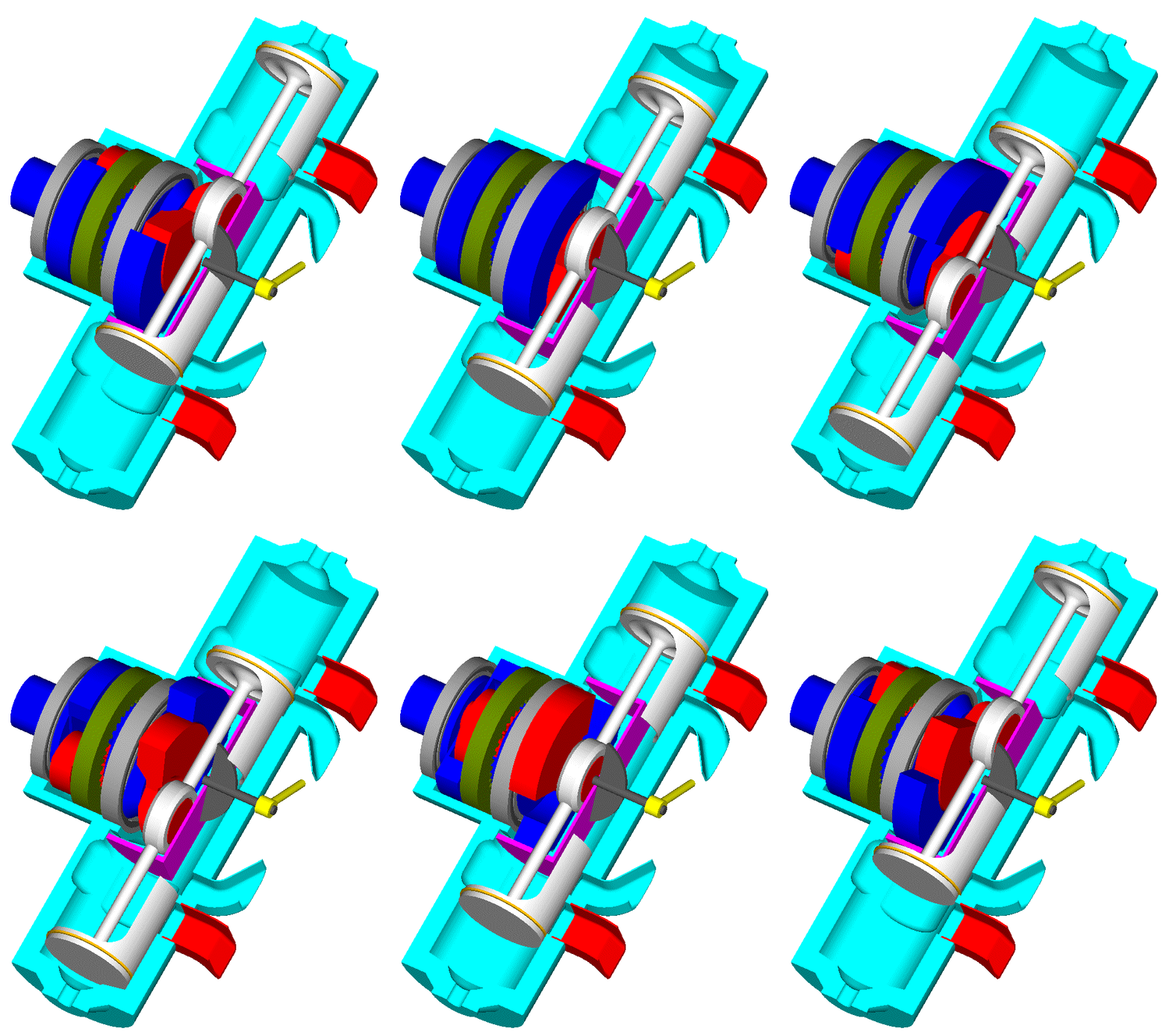
Click on any image above, to download the relative windows-exe controllable animation.
Here is a GIF animation of a straight-four, four-stroke, even-firing Pulling Piston Engine:
Here is a GIF animation of a twin, two-stroke, even-firing, balanced Pulling Piston Engine:
Click here for the black and white gif animation of a two-stroke radial-four, even-firing, balanced PPE engine.
Click here for the stereoscopic, black and white gif animation of a two-stroke radial-four, even-firing, balanced PPE engine.
Click here for the black and white gif animation of a four-stroke straight-four, even firing PPE engine.
The "unconventional" kinematic mechanism of the Pulling Piston Engine
shifts the combustion to the slow dead center.
The Opposed piston Pulling Rod Engine (OPRE) does exactly the same.
On this account, PPE is the "father idea" of
OPRE
A few details from the PPE mechanism:
Harmonic Reciprocating Engine
Below is the Harmonic engine, the "parent" idea of the PPE engine. Look at the flames from exhaust. More at the end of Teaching
It is a single-cylinder four-stroke with pure sinusoidal (harmonic) motion of the piston.
It is perfectly balanced; as perfectly as the Wankel rotary engine; the only inertia force on its basis is its weight; the inertia moment on its basis is zero; zero is also the inertia torque transmitted to the basis and to the gear-box.
Its architecture is similar to that of the following four-stroke two-in-line even-firing perfectly-balanced harmonic engine.
Here is the kinematic mechanism of a 4-stroke, 4-cylinder even firing "boxer" engine at "operation"; the blue gearwheel is for the primary transmission:
Click here to enlarge or click here for slow motion.
Prototype (without the balance webs). Click here to enlarge.
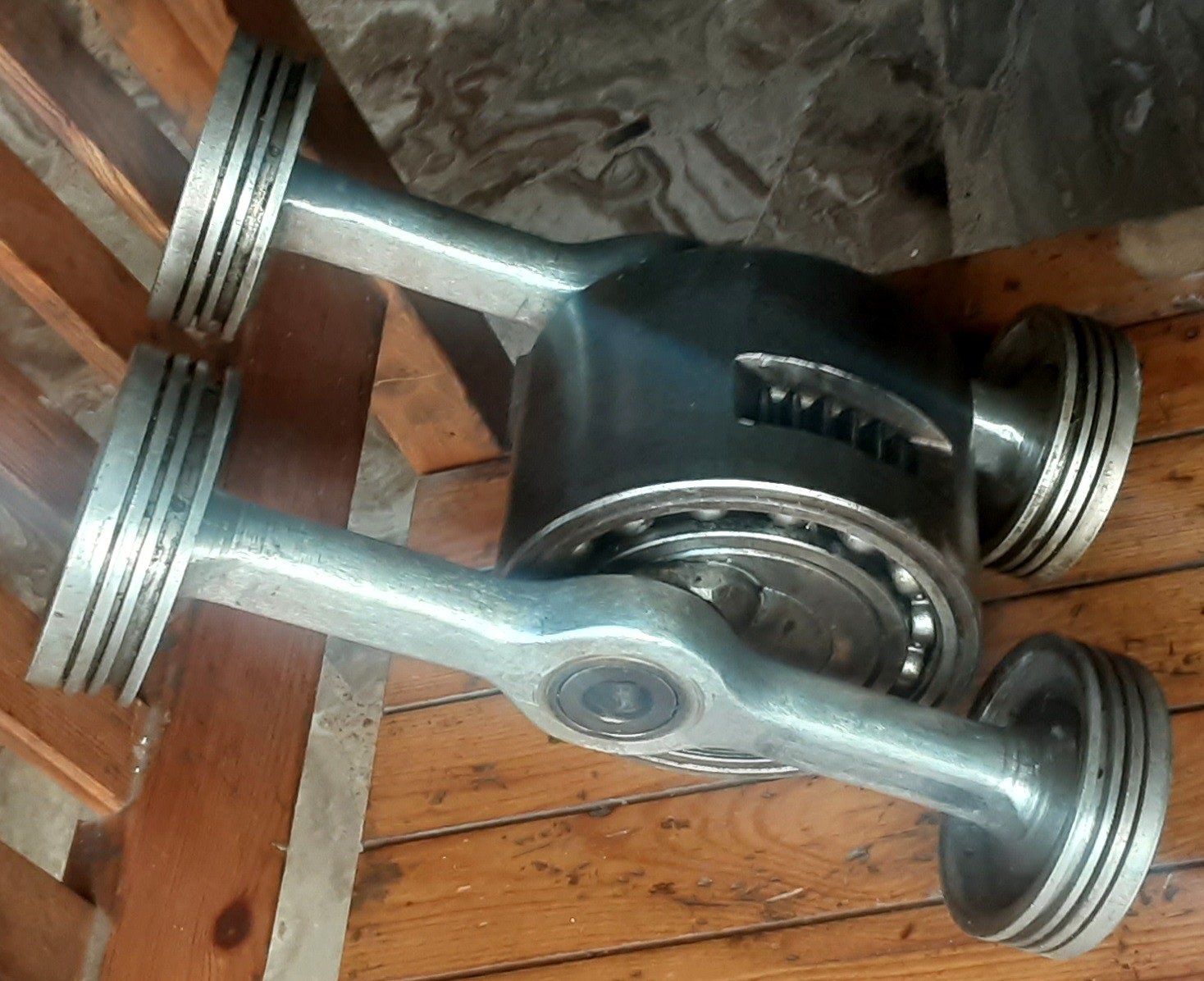
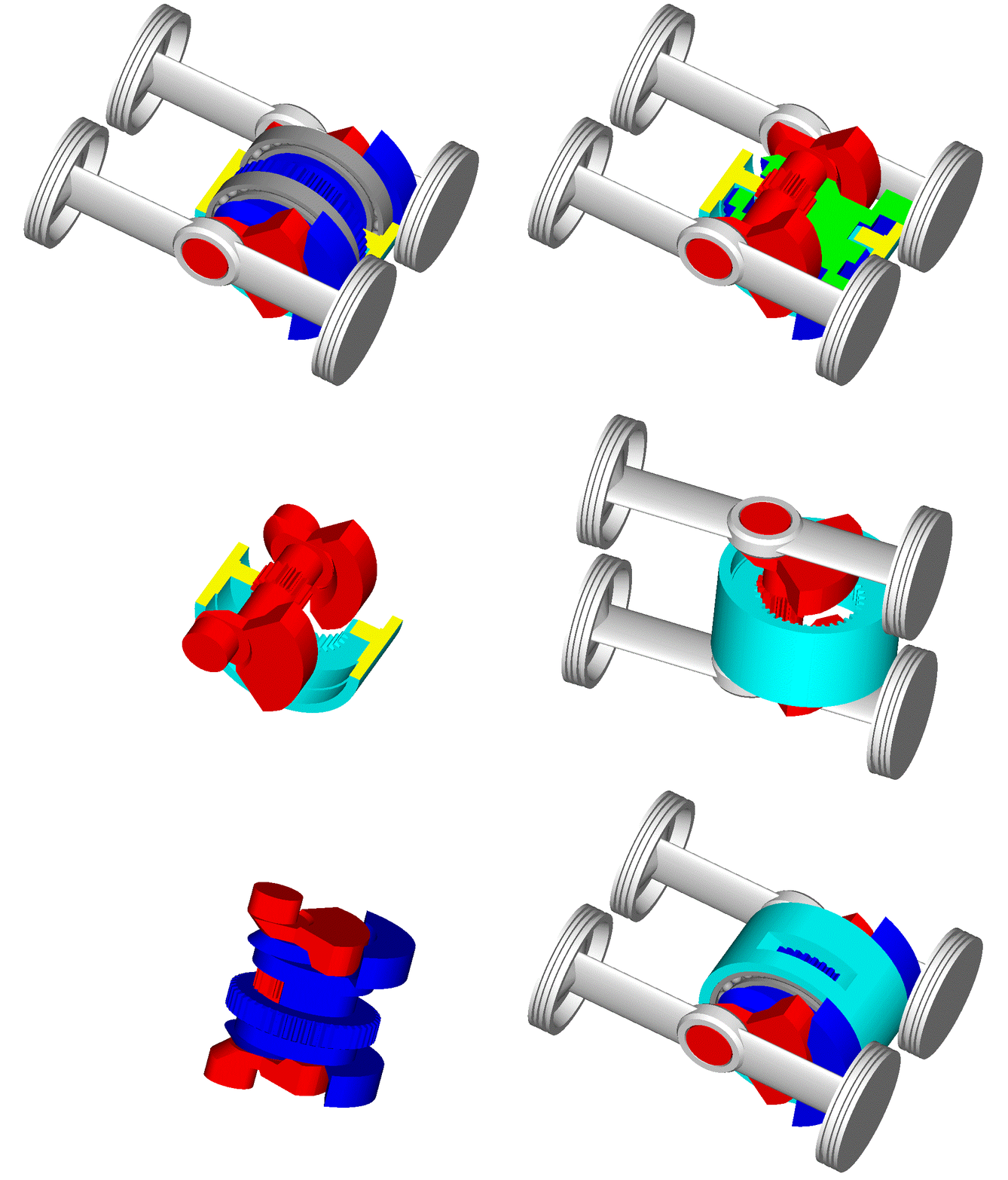
The mechanism comprises 4 basic moving parts: the two pistons, the "crankshaft" (blue) and the "intermediate member" (red), as the following animation shows:
It is PERFECTLY BALANCED (as perfectly as the Wankel Rotary engines and as perfectly as the best V-12 conventional engines: zero free inertia force, zero free inertia torque and zero free inertia moment).
The thrust loads between pistons and cylinder liners are negligible.
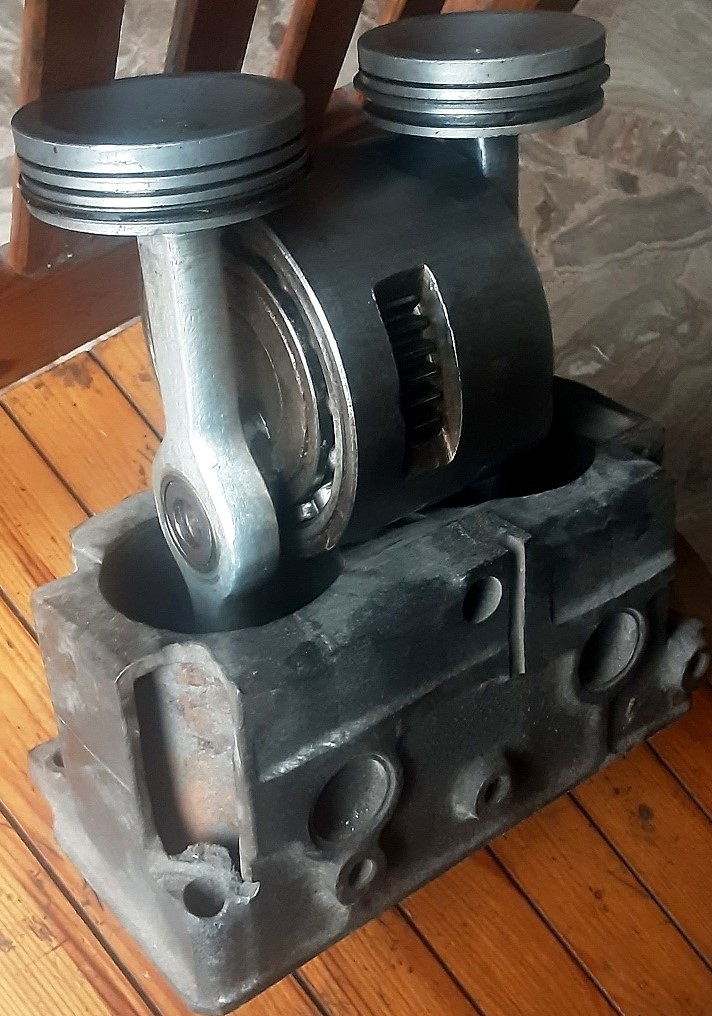
Prototype. The block is from an Alfa Romeo 1200cc boxer engine. Click here to enlarge.
The engine is compact (no offset between the two banks of cylinders, short distance from cylinder gasket to cylinder gasket) and lightweight: the mass of each double piston (i.e. the reciprocating mass per two cylinders) is close to the reciprocating mass per cylinder (piston mass, plus wrist pin mass, plus about 1/3 of connecting rod mass) of a conventional 4-cylinder engine having similar bore and stroke.
Below is a Vee 90 degrees two-cylinder perfectly-balanced harmonic engine.
Below is a two-stroke two-cylinder even-firing perfectly-balanced boxer harmonic engine. The crankcase is isolated. The reed valves and the backside of the pistons make the scavenging.
Below is the PatTwo Harmonic, i.e. the Miller-cycle version of the above engine:
Prototype (Alfa Romeo block). Click here or here to enlarge
Click here for a controllable windows exe animation (8Mb)
Or click here for more.